
STAGE 1: The Evolution of Italian Cuisine (30 hrs.)
This full immersion segment kicks off the program at a fast pace. Hands-on cooking, baking, patisserie and a thorough analysis of authentic Italian regional raw ingredients introduce participants to the foundation of professional Italian cuisine.
Working alongside master chefs, the segment culminates with a cooking test for each participant, ensuring they are fully prepared for the next stages of the program.
Cultural travel includes visits to an open air mercatino, a honey producer, a winery and a special visit to the neighbouring regions of Puglia and Basilicata.
STAGE 2: Cheese Making, Curing Meats & Seafood, Pickling, Mixology (30 hrs.)
Now, after acquiring a thorough understanding of regional Italian flavors and raw ingredients, participants begin the technique of new recipe development. Cheese, cured meats, sausage, marinated vegetables and salted fish are all items that play a major role in Italian regional cuisine.

This phase has been developed as a result of years of research where ICI has found that even as many countries outside Italy cannot obtain authentic Italian delicacy items, they do have the resources to make them for in-house use. Designed for everyday restaurant and home production, these preparation methods can be used anywhere in the world for both private production as well as large scale industrial production.
 Infinite ways to flavour pancetta
Conserves week includes mixology which has become an important part of Italian gastronomy especially in recent years. The finale is a cocktail food pairing competition which is a groundbreaking part of culinary training and a lot of fun too.
Cultural travel includes visits to a traditional street market and an artisan cheese maker.
STAGE 3: Pastry, Desserts & Gelato (30 hrs.)
 A chef is a manager and needs to know every aspect of the menu and its execution. This includes dessert and gelato. Regardless of expertise, novice or master, participants will gain a profound understanding of artisan gelato making and its application to plated desserts and banquet service.
Using the latest equipment, suitable for both professional and home kitchens, chefs work with a Maestro Gelatician (Master Gelato Artisan) developing perfect results for a myriad of flavors. Artisan Italian gelato is the fastest growing confectionery choice in the world today. With demand outpacing professional training, the door for success for skilled gourmet gelato makers is wide open.
Cultural travel includes visits and tastings at several pastry and gelato shops in our Mediterranean paradise!

STAGE 4: Professional Cooking and Wines Part I (20 hrs.)
 With assistance of master chefs, participants prepare mise en place and execute service for an audience of chefs and their peers. For four days, menus and recipes chosen and developed by the students will be presented as part of normal restaurant service in Italy and anywhere else in the world. Plates will range from traditional fare to award winning haute cuisine. Critique and discussion will consider the diner’s view as well as criteria for objectively judging dishes, and production technique, according to international culinary competitions.
During menu development, participants will take part in a tasting by a sommelier and understand why the week’s wines are chosen for each course. The last day of this stage lets participants sit and enjoy as a pasta party is prepared by master chefs in honor of a successful week of cooking.
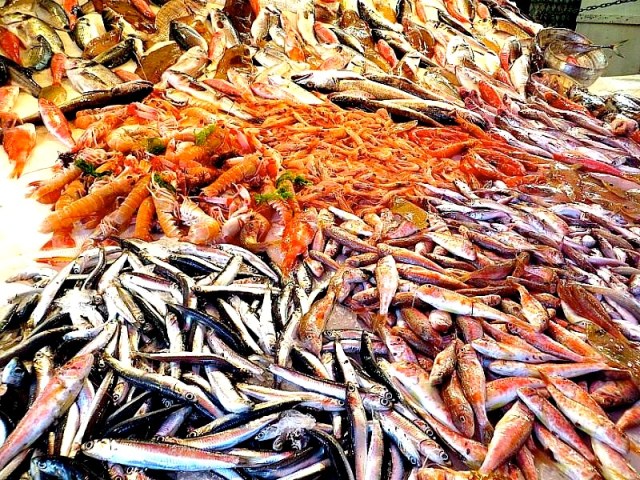
Cultural travel includes a visit to a seaside fish market and a maker of fine extra virgin olive oil.

STAGE 5: Artisan and Hearth Baking (30 hrs.)
 Building on the foundation of the program’s first stage, participants now fully immerse themselves in Italy’s renowned artisan bread-making tradition. After reviewing the chemistry of baking and analyzing Europe’s unique flour combinations for taste, texture, and elasticity, they prepare doughs for traditional regional and international specialties, mastering advanced techniques with natural, mixed, and compressed yeasts.
Panini, focaccia, pizza, specialty and hearth breads, grissini, ciabatta e ciabattina and more are prepared in conventional ovens as well as high temperature traditional wood burning ovens. Participants work alongside artisan masters in this exciting hands-on week-long segment that finishes with a colorful bread buffet and pizza party!
Cultural travel includes visits to an artisan bread maker as well as an ancient mulino in the Italian countryside.

STAGE 6: Professional Cooking and Wines Part II (20 hrs.)
 With newly acquired skills, many of which seasoned chefs do not possess, participants will now recreate and create dishes, develop menus and prepare and present a series of dinners to an audience of their peers as well as special guest chefs. Wines for the events will be chosen by participants based on the knowledge acquired.
Masters supervising the brigade will point out common errors that foreign chefs make while executing Mediterranean style cuisine. This stage culminates with a gala dinner and awarding of certificates and prizes based on performance and signature dishes.
Cultural travel includes a visit to an open air marketplace and the site of 2600 year old ancient Greek ruins.
Arrival
Participants begin arriving on Saturday morning to settle in before our Grand Welcome dinner Saturday evening. The course lessons begin Sunday morning. Should you need to arrive prior to Saturday, we will help make your reservations and additional nights will be added to your payment. Upon arrival, we welcome you with a cocktail and stuzzichini (Italian savory hors d’oeuvres) and a Grand Welcome Dinner.

BENVENUTI!
Our Information Package includes indications on how to travel by train or bus during free time as we are close to Sicily, Naples, the Amalfi Coast and many more popular destinations. During your time here, you will have plenty of time to discover the myriad of of cultural, gastronomic, shopping and nightlife venues.
Tastings, Olive oil tasting & Base Preparations
 Gustatory perception is indispensable in order to eventually combine perfect ingredients while assembling a plate in authentic Italian Regional and Mediterranean Cuisine. The first day of the program features tastings of more than 30 types of cheeses, cured meats and fish, marinated vegetables, truffles, wines and more!
Why do Italians have a different menu structure? Why is Italian food so popular? What is the best pasta or rice to use in Italian cooking? Why has Italy been the top European travel destination for many countries for the past 20 years? These are some of the questions that you will come to discover during your time here. And, like Italian cuisine, the simplicity of the answers define a complex but definitive path to success and global popularity.
To set the foundation for the course, we begin the first morning by tasting the raw ingredients used in the dishes you will prepare as well as meals and eventual travel experiences throughout Italy. In the days that follow, we continue tasting both raw and processed ingredients, uncovering why Italian food tastes unique in Italy and how best to recreate it anywhere in the world.
 Fundamental on Day 1 is an extensive tasting of cheeses spanning the Italian peninsula.
 Extra virgin olive oil is the heart of Italian Regional Cuisine and it’s indispensable that culinarians can select the proper oil to use with the appropriate cuisine.
Several extra virgin olive oils are tasted according to the strict guidelines of a Maestro Olearo (olive oil master). Additionally, everyday we do pairings of the foods that we prepare with wines.
When cooking begins participants take part to prepare mise en place for our base sauces and semi-lavorati (“prepared” condiments and “component recipes”) which will be used throughout the course. Our chef instructor then demonstrates some uncommon reduction and emulsion techniques.
 There are over a thousand preparations of olives in Italy. Chefs need not know all of them but familiarising our palates with at least some is imperative
Pasta, pasta, pasta…
In Italy, restaurateurs know that it’s not a question of IF a patron will order pasta, it’s just a matter of which one. internationally, what was a trend has become an essential part of menus in Italian and Continental restaurants, hotels and homes throughout the world. For diners pasta represents a healthy, tasty, colorful dish. For chefs, pasta represents unlimited creativity and for restaurateurs and caterers it means enormous profits…
Our objective is ambitious: to make your pasta repertoire greater than most chefs in Italy. Whereas Italian chefs concentrate on pastas of their own region, together, we prepare them all.

Pasta is a chef’s canvas. Once it’s made any delicious portrait can be created.
In addition to hands-on preparation, participants learn Regionalism. Understanding where each pasta comes from in Italy enables culinarians to identify the appropriate sauces or condiments for that dish. It also gives a clear idea of how to pair that dish with the perfect wine and, most importantly, create an entire regional menu with pasta as the starter.
At the end of the day, alongside the master we prepare over 30 types of pasta, gnocchi, ravioli, etc. Given that every recipe has several variables depending on color, stuffing, sauces, cooking procedure (boiled, baked, gratin, etc.), you now have techniques for new recipe development that enables you to prepare hundreds of unique dishes.
 Fregole.. A Sardinian whole durum wheat pasta with ‘frutti di mare’..
Antipasti
Although we still refer to them as antipasti, or appetizers, modern Italian cuisine does not compel us to “assign” a particular plate to a particular place on the menu. That’s why we concentrate on antipasti that work great as appetizers but can also be used as mezzi or even a main course depending on their size and accompaniments. Again, you prepare numerous dishes to familiarize yourself with the technique of assembling flavors and colors and ultimately new recipes depending on availability in your area, cost and need for speed…
 Risotto alla Milanese with black truffles
Mediterranean Vegetarian and Alternative Cuisine
By combining all of the knowledge gained thus far, participants will now prepare dishes alongside the Master in this unique combined program. By utilizing the fundamental rules that have been covered, recipes are replaced by techniques as culinarians are able to create personal recipes that can either be traditional and authentically Italian or can be modified for a specific clientele or guest.
Italian Mediterranean Cuisine is already based largely on vegetarian and even vegan tastes. You take traditional regional recipes and/or techniques and modernize them based on taste, availability of raw ingredients, updated healthy eating tendencies and plate art. The results are new exciting dishes for vegetarians and the principles necessary for new recipe development.
Neither Meat nor Fish is where modern Alternative and Vegetarian cuisine are combined and presented with a thoroughness and clarity unique to the industry even in Italy..
‘Cucina Espressa’
The techniques used in these preparations give participants the ability to create literally hundreds of unique, healthy and colorful “express” dishes in under ten minutes. Our dishes will be seasonal and change accordingly.
Pizza & Focaccia
Focaccia and pizza remain some of the most popular items on menus that span from haute cuisine to quick service restaurants. The secret to Italy’s success with these specialties still evades most culinarians in other parts of the world.
At ICI, participants first study the chemistry and physics necessary to produce a perfect product. Just as all baked products are different, so is the flour used to make them. We also prepare focaccia and pizza using a wide selection of different yeasts and starters all having profoundly different effects on the rendered items.
Finally, each region and indeed province in Italy has a different idea for toppings and flavors depending on their history and microclimate. The result for participants is a completely new repertoire of colors, textures and flavors rarely experienced outside of Italy arming our colleagues with the knowledge needed to soar far above their peers anywhere in the world…
 ICI’s classic wood fired oven for pizza, focaccia and breads..
 Focaccia can be prepared in hundreds of ways..

Specialty Breads
In Italy we refer to them as Gastronomic Breads. These are the breads that are served with a meal, usually mignon size. They vary in color, texture and flavor. Once ICI participants have worked alongside the masters for several days, they are ready to create their own specialties according to personal tastes, the tastes of their clients or guests, availability of raw materials in their area, price considerations, need for speed, etc…
ICI’s baking specialists include John Nocita and Favio Gargiulo, world champion bread bakers who have competed throughout Europe and Asia. They begins by demonstrating millenniums old natural yeast techniques and then combine past and present with innovative specialties that can be personalised for any taste.
Throughout the course, hands-on specialty bread making will render over 50 types of pizza, focaccia and specialty and hearth breads. Together with the chefs, participants even make breads with the 9 types of extra virgin olive oils that are sampled earlier in order to give a better indication on when to use which oils…


 Hands-on baking..
Pastry & Desserts: Tradition & Evolution
Tradition
Italy is so well known for its cuisine but genuine Italian pastry and desserts are still a rare find outside of the country. Italian confectionary includes a myriad of sweets from all parts of Italy, some of which have their origins from millenniums ago.
 The first description of cannoli siciliani dates back to 75 BC
Although many of these items are the simplest in nature, some of them require great skill to assemble. Sour doughs, starter doughs and the famed mother’s yeast are all required for various preparations. Choosing proper raw ingredients is essential especially considering that there are items that have only two ingredients so each one must be perfect.
During these hands-on segments participants are shown the secrets of centuries old classics and then make their own versions incorporating their flavours of choice.
 A labor of love, Panettone requires the use of mother’s yeast and more than 30 hours of fermentation. The sublime unique delicacy is worth your efforts..
Evolution
Technique is the cornerstone of this program where preparations focus on pastry chefs’ and bakers’ ability to innovate upon them. Participants will be presented with and prepare classic and modern gateaux, pastries, mignon, biscuits, milieu feuilles, mousses, sorbets, gelato and plated desserts.
 Cioccolato paradiso..
ICI’s instructors for every pastry program includes world champion pastry chefs who continue to win accolades from clients and peers internationally.
 Make perfect pastry alongside a Master
Artisan Italian Gelato
Artisan Italian Gelato: Technique and Production is a profound course of instruction for the production of what many industry leaders believe is the fastest growing confectionery delicacy in the world: Italian Artisan Gelato.
 Every gelato program begins with tastings at local artisan gelato shops. And, yes, everyone smiles during the whole course..
Participants learn the theoretical and chemical constants that are indispensable for perfect gelato making followed by the techniques necessary to produce personalized flavors according to taste, client trends, regional availability of raw materials, etc. A recipe book is furnished that contains techniques enabling participants to reproduce, create and experiment with limitless personalized gelato.
 Gelato ‘recipes’ are based on a determined balance of ingredients..
While the program concentrates mainly on the art of gelato making, it also outlines the parameters necessary for the operation of a gelato business for both single and multiunit enterprises. Based on years of consulting for operations in Europe and throughout the world, this program addresses key elements for startups and sets foundations for new and ongoing activities
By establishing a completely independent artisan quality production process, ‘gelatai’ (gelato makers) are able to eliminate the need to import anything as the operations’ system is developed and implemented according to the availability of the local market, vital for long term success. Participants work with a broad range of equipment including machines, special display cases and more.
The history of gelato, menu development, pricing, hygiene and safety, storage, distribution, selling techniques, staffing and an in-depth analysis of raw materials are covered.
During every gelato program we make over 50k of gelato and every participant also makes personal flavors


Professional Cooking and Wines
Advanced Techniques during Hands-on Real World Cooking Executions
Participants work alongside master chefs in three intensive four-day segments, crafting personal menus from concept to completion. This includes menu design, sourcing ingredients at open-air markets, preparation, cooking, wine pairing, and presenting multi-course haute cuisine dinners to an audience of chefs and peers.
The Most Effective Hands-On Professional Culinary Training in Italy!

Several multi-course menus are presented including full service 5 course and 7 course meals from Amuse-Bouche to Pralines and elaborate buffet comprising hot and cold food, carving stations, express cooking, dessert, gelato and petit fours!
For participants, this fully hands-on phase has proven to be the most effective culinary training method in Italian Regional and Mediterranean Cuisine in Italy. For ICI, it is a guarantee that everyone who leaves here is ready to present authentic Regional Italian Cuisine anywhere in the world..


Wines, Liqueurs and Sommelier Training
Wine is just as much a part of Haute and Traditional Italian Regional and Mediterranean Cuisine as food is and, therefore, every program includes tastings and pairings of several of Italy’s best wines.
Wines are paired during individual tasting sessions and throughout menu development and execution, where participants apply their newfound knowledge to expertly pair wines with multi-course menus.
Finally, each meal is finished with a liqueur that matches petit fours, pralines or biscotti from the specific region that they have derived from completing the highest end dining experience available anywhere!

Sommelier training is an important part of any culinarian’s repertoire..

Visiting Farms
In the age of ready cut and packaged meats it’s too easy for chefs to forget where it all comes from. When we consider that much of the world has its’ cuisine based largely on meat, it’s indispensable for us as professionals to understand and appreciate the sacrifices of the farmers who raise livestock and respect the animals who are slaughtered. Understanding the methods by which livestock is processed also enables us to have more appreciation for the food we prepare, serve and eat.
 Calabrian black pigs were an endangered species until 1989. Sustainable breeding helped revive the population for these truly free range pigs.
Animals do not only give us meat but also cheese, a fundamental part of Italian Regional Cuisine. Cows, sheep and goats are our primary resources and being able to identify the most optimum breeds make us better connoisseurs and better cheese consumers and makers.
 Visiting an artisan cheesemaker in the countryside brings us closer to the products we make..
Visiting Organic Fruit and Vegetable Farms
Extra virgin olive oil does indeed grow on trees and is one of the most resilient food bearing plants in existence living for thousands of years in some parts of Italy. What is the difference between olives? Which are pickled or cured and which are used for oil? What trees render the highest quality product?
These and other questions are answered in the classroom, the kitchen and amongst the olive groves that surround our location. Meeting with the farmers who grow tomatoes, grains, artichokes, radicchio, fennel, grapes and so much more gives chefs and gastronomes a guideline on how to choose the best products available anywhere in the world.
 Amongst the most resilient plants on earth, many olive trees in Italy are hundreds and even thousands of years old..
Meat, Fish and Vegetable Fabrication and Charcuterie
At ICI, we call them ‘Component Ingredients©.” These are food items that our participants make alongside the masters for their own use. Here, the flavors are tailored for each individual. They include an array of cured, smoked, dried and conserved meats, fish, vegetables, etc…
By tradition, cured and preserved foods were done throughout history when a seasonal product was in such a great supply that people were not able to consume all of it in one period. Therefore, they developed ways to best conserve the product while keeping as much of the integrity of the original flavor as possible.
 Conserves production..
Now, things are different. As a testament to the fact that innovation is sometimes better than tradition, participants now choose to modify conserved products giving them the flavor of their own country or the preferred tastes of their clients or guests. Strawberry Amaretto Marmalade, Spicy Pickled Artichokes, Black Ink Sauce with Wild Fennel and thousands more are just examples…
Cured Meats are a hallmark of Italian Regional Cuisine. Prosciutto, Culatello and Salamino in the North and Capicollo, Sopprassata and N’duja in the South are just some of the hundreds of DOP meats that are produced in Italy. During our programs, participants produce several of these specialties.
 Pancetta, prosciuttino, guanciale, jowl, coppa, soppressata, etc. are just some of the types of salumi made..
Artisan Cheese Production
Italy proudly boasts to have almost four hundred certified cheese. Add that to all of the small local producers that don’t ‘register’ their cheeses and you are in the richest cheese country in the world.
Participants learn and make cheeses of all genres included soft and hard, young and aged all with cow’s, goat’s and sheep’s milk.
Specialty and personalized cheese are also made since once a culinarian knows the science, methods and techniques necessary for production, it’s possible to create any flavored cheese imaginable…or unimaginable..
 Perfect Trecce di Mozzarella (braided mozzarella)
 Happiness is hands-on cheesemaking!
Special Excursions
Culture is one of the most important elements that distinguishes a chef from a great chef. This is how a culinarian is able to recognize and KNOW where food comes from and the history from whence it came…
Just as knowledge is shaped by culture, culture itself is deeply enriched through travel. At the Italian Culinary Institute, every program includes journeys with master chefs to different regions of Italy. These educational and entertaining experiences culminate in a vibrant celebration of food and wine.
During the program we travel to Matera, Basilicata and Alberobello, Puglia and throughout Calabria, the centre of Ancient Greece!
 Matera, located in the region of Basilicata, is known as the “City of Stones.” It is one of the oldest cities in the world and a UNESCO World Heritage site. Inhabited since the Paleolithic period, Matera is also celebrated for its unique, delicious breads and distinctive cuisine.
 One of the many enchanting sites you’ll see exploring south Italy..
 Salute!
 Alberobello, a UNESCO World Heritage site in the Puglia region, is famous for the Trulli houses that used a prehistoric building technique.
Open Air Markets
A typical Italian open air market offers culinarians an insight to the country’s most traditional aspects as well as an opportunity to browse foods, cheeses, wines and cured meats that are still produced by artisans. Participants compare and taste the difference between these products to those of the industrial sector.
Besides being educational, visitors have the opportunity to shop, not as a tourist, but as an Italian.
Market visits are scheduled every week of every program at ICI and continues to be a highlight of the exceptional culinary and cultural experience…
 Some of the delicious colors at mercatino
 Fine art at mercatino!
Artisan Food Makers and Winery Visits
Our masters emphasize the importance of understanding quality products at their source, a vital skill for any culinary professional. Every program includes visits to wineries and artisan producers of cheese, cured meats, preserves, and even honey at a bee farm.
These visits go beyond observation, often involving participants in hands-on work alongside professional food artisans. Designed as more than just tours, they guide students through every phase of production, offering in-depth scientific and gastronomic insights typically reserved for producers themselves.
Each visit concludes with a tasting of the specialties and wines, accompanied by a master chef’s expert analysis of their flavors.
 We visit vineyards with several grape varieties dating back to Ancient Greece.
 Our favorite bee farm is right near the school!
Dining During a Program at ICI
As in any restaurant or professional setting, family meal is an important time to discuss strategy, trade ideas and relax amongst peers. Here, it is also one of the best and fondest remembered times of the entire experience especially considered that our participants come from virtually every country in the world!
 Dining always includes amazing food and views of the Mediterranean.
All meals are included every day of the program.
The finest menus and the best restaurants in the area have been selected to ensure your utmost comfort and pleasure and particular attention has been given to afford participants with the perfect balance between engagements and leisure time. After all, whether it be savoring a glass of wine in a 500 year old castello or eating pizza with buffalo mozzarella from a wood burning hearth, Italy is most famous as the place where someone can do nothing in a thousand different ways!
Besides offering our participants (and ourselves) elegant, fun evenings, each restaurant on the itinerary has been chosen as examples of much of the philosophy that we discuss, and enact, everyday during the programs. We feel that a crucial part of the learning process is to experience Italian cuisine and traditional fare as patrons.
ALL MEALS WITH WINES ARE INCLUDED FOR EVERY DAY OF THIS PROGRAM, EVEN ON WEEKENDS
 Pre-dinner cocktail
 A beautiful view..a perfect compliment to great food and company..
Free Time in Calabria
After hours, ICI offers guests inviting common spaces for relaxation, including a fully furnished lounge and a spacious terrace, both offering breathtaking views of the sea.
For those eager to explore, our student coordinator can arrange transportation to nearby towns, where you can enjoy wine bars, cafés, pubs, or local dining experiences.
Calabria’s pristine waters are perfect for swimming during the warmer months, made even more convenient by ICI’s stunning location on a bluff overlooking the crystal-clear turquoise sea.
 A centuries old enoteca is a perfect setting for aperitivo
 Exploring the Italian countryside..
